
If you have recently booked an air source heat pump install in Worksop or you are planning one, you are probably hoping it will last a good 15 to 20 years. That is a fair expectation. A properly installed and well looked after heat pump should give you reliable heating and hot water for many years to come.
The reality is, the lifespan of your system is not just down to the quality of the unit. It is about how it is used, how it is maintained and how quickly small problems are dealt with. We see it all the time, two identical systems on the same estate can age very differently depending on how they are treated.
Here is what genuinely makes a difference when it comes to getting the most from your investment.
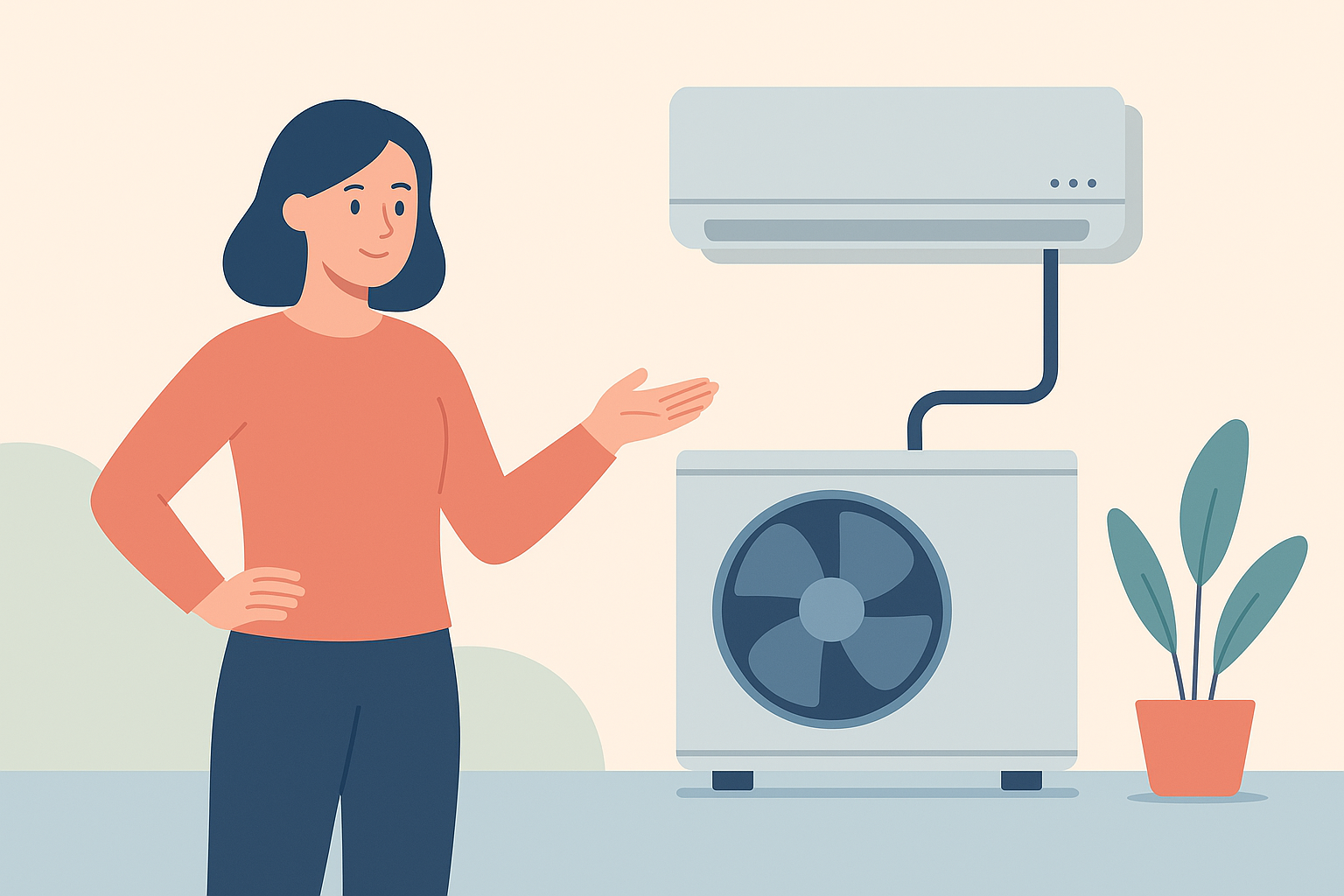
Why Heat Pump Longevity Matters
A heat pump is not a small purchase. Even with grants and improved efficiency, it is still something homeowners expect to rely on for years.
Replacing a major component such as a compressor early is costly. It can also mean unexpected downtime in the middle of winter when you need heating most. Extending the life of your system is not just about saving money. It is about avoiding stress and staying comfortable.
When a heat pump runs efficiently, it uses less electricity, keeps running costs steady and puts less strain on its own internal parts. In simple terms, an efficient system is a healthier system.
Regular Maintenance Tips to Prolong Your Heat Pump’s Life
Keep the Outdoor Unit Clear
Your outdoor unit needs space to breathe. We often arrive at homes and find it half hidden by overgrown shrubs or surrounded by piles of leaves.
Make it a habit to:
- Keep at least a clear 300mm to 500mm around the unit
- Remove leaves, twigs and debris especially in autumn
- Check for anything blown against it after storms
If airflow is restricted, the system has to work harder. Over time, that extra strain adds up.
Check and Clean Filters
Indoor filters are easy to forget. When they clog up with dust and pet hair, circulation drops and efficiency suffers.
Most homeowners can safely check and clean filters themselves every few months. If you are not sure where they are, ask your installer to show you at your next visit. It is a small job that can make a noticeable difference.
Keep an Eye on System Pressure
Low system pressure is something we get called out for regularly in Clowne and Bolsover. Sometimes it is just a minor top up. Other times it points to a small leak that needs attention.
If you notice pressure dropping more than once, do not ignore it. Repeated topping up is not a solution. Catching a leak early can prevent pump or compressor damage later on.
Book an Annual Service
An annual professional service is one of the most important steps you can take. During a visit we would typically:
- Check refrigerant levels
- Inspect electrical connections
- Test controls and thermostats
- Clean coils if needed
- Confirm the system is running at the correct flow temperatures
Often, we spot small issues that the homeowner has not noticed yet. A slightly noisy fan motor or a component running outside its normal range may not fail tomorrow, but dealing with it early usually avoids a bigger repair later.
Common Issues That Shorten Heat Pump Lifespan
From experience across Barlborough and surrounding villages, these are the most common causes of premature wear.
Poor Installation
No amount of maintenance can fully correct a badly installed system. Incorrect pipe sizing, poor positioning of the outdoor unit or incorrect system design for the property can all force the heat pump to work harder than it should.
This is why design and survey matter just as much as the unit itself.
Running at Constantly High Temperatures
Heat pumps are designed to run low and steady. Some homeowners, especially those used to older gas boilers, try to crank the temperature up quickly.
That approach is less efficient and increases strain. Gentle, consistent heating is what these systems are built for. Once people get used to that way of running them, complaints drop and systems tend to age better.
Ignoring Unusual Noises
A slight hum is normal. Loud rattling or grinding is not. If it sounds different, it probably is different.
We have seen cases where a simple loose panel left unresolved led to vibration damage over time. It is always better to ask and be reassured than to leave it until something fails.
Blocked or Sludged Systems
Older radiator systems that have not been properly flushed before a heat pump installation can contain sludge and debris. That restricts flow and increases wear on circulation pumps.
If your system was fitted some years ago and you are noticing cold spots on radiators, it might be worth checking the water quality.
When to Call a Professional for Help
There are certain situations where it is sensible to call in a heat pump engineer rather than trying to manage it yourself.
- Repeated pressure loss
- Error codes on the display
- Unexpected rise in electricity bills
- Reduced heating output
- Strange noises that persist
Homeowners often tell us they were unsure whether something was serious enough to get checked. The rule of thumb is simple. If it has changed, it is worth asking about.
The sooner faults are dealt with, the less likely they are to cause knock on damage to expensive components.
Conclusion: Get the Most from Your Investment
A heat pump is designed to last, but it does need a bit of attention along the way. Keeping the outdoor unit clear, cleaning filters, running it as designed and booking regular servicing all add years to its working life.
For homeowners across north Nottinghamshire and nearby Derbyshire villages, we have seen how small proactive steps prevent larger, more expensive problems. Whether your system is brand new or has been running for several seasons, sensible care makes all the difference.
If you would like practical advice tailored to your property or you want your system checked over by experienced engineers, the team at Brookhouse Gas Services are always happy to help.
Contact us today to book your heat pump service